
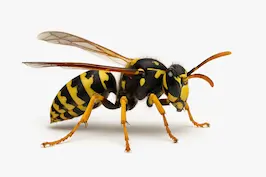
Wasps in Thailand: Identification, Risks & Control
Learn about Wasps in Thailand and how to control them effectively
About Wasps
Wasps are flying insects that can be both beneficial and problematic in Thailand. While they help control other pest populations by preying on insects, their defensive stinging behavior makes them a concern around homes and businesses. Thailand's tropical climate supports wasp activity year-round, with nests becoming particularly problematic during the dry season when wasps are most active and aggressive.
Get Rid of Wasps NowCommon Wasp Species in Thailand
Thailand is home to various wasp species, including paper wasps (Polistes species), hornets (Vespa species including the Giant Asian Hornet), and yellow jackets (Vespula species). Paper wasps build open-comb nests under eaves and overhangs, while hornets construct large enclosed paper nests in trees, bushes, and building cavities. The Asian Giant Hornet (Vespa mandarinia) is particularly concerning due to its size (up to 5cm long) and powerful sting that can cause severe reactions.
Wasp Behavior and Life Cycle
Wasps undergo complete metamorphosis with four life stages: egg, larva, pupa, and adult. In Thailand, most wasp colonies are annual, with only fertilized queens surviving the wet season to start new colonies. Queens build initial nest cells in spring, lay eggs, and raise the first generation of worker wasps. As the colony grows, workers take over nest building and foraging while the queen focuses on reproduction. By late summer to fall, colonies can contain hundreds or thousands of individuals, making professional removal necessary for larger nests.
Health Risks of Wasp Stings
Unlike bees, wasps can sting multiple times, injecting venom that causes pain, swelling, and redness. For most people, wasp stings are painful but not dangerous. However, about 3% of people have allergic reactions to wasp venom, ranging from mild to life-threatening anaphylaxis. Symptoms of severe allergic reactions include difficulty breathing, swelling of the face or throat, rapid pulse, dizziness, and drop in blood pressure. Multiple stings, even in non-allergic individuals, can also cause serious reactions due to the amount of venom received.
Signs of Wasps Infestation
- •Visible wasp nests under eaves, in trees, bushes, or building cavities
- •Increased wasp activity around homes, particularly near food or garbage
- •Worker wasps flying in and out of a specific location (indicating a nest)
- •Paper-like nesting material visible on structures
- •Wasps entering small holes in walls, roofs, or the ground
- •Buzzing sounds in walls, attics, or other enclosed spaces
Wasps Prevention Tips
- •Seal cracks and gaps in building exteriors, especially under eaves
- •Install fine mesh screens on vents and openings
- •Keep garbage in sealed containers and maintain clean outdoor eating areas
- •Remove fallen fruit from the ground around fruit trees
- •Avoid wearing perfumes, colognes, and brightly colored clothing outdoors
- •Check for early signs of nest building in spring, when nests are small
- •Reduce outdoor sources of sugar (spilled drinks, open containers)
- •Keep food covered when dining outdoors
Wasps Control Methods
- •Professional wasp nest removal using appropriate safety equipment
- •Targeted insecticide treatments for nests and entry points
- •Dust applications for nests located in wall voids or other enclosed spaces
- •Specialized removal techniques for hornets and other aggressive species
- •Preventative treatments for areas with recurring wasp problems
- •Night-time treatments when wasps are less active and in the nest
- •Professional-grade aerosol treatments with extended reach for elevated nests
- •Follow-up inspections to ensure complete elimination
Need Help with Wasps?
Our professional pest control technicians are experienced in dealing with Wasps infestations. Contact us today for a free inspection and quote.