
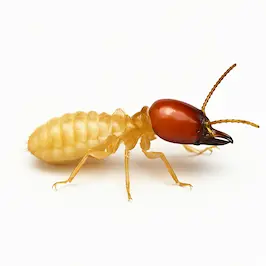
Termites in Thailand: Identification, Risks & Control
Learn about Termites in Thailand and how to control them effectively
About Termites
Termites are among the most destructive pests in Thailand, causing significant structural damage to buildings and homes. These social insects feed on cellulose found in wood and other plant materials, making wooden structures particularly vulnerable. In Thailand's tropical climate, termites remain active year-round and can cause extensive damage if not detected early and properly treated.
Health Risk Alert
Termite Species in Thailand
Thailand is home to several destructive termite species, with subterranean termites being the most common and damaging. The most prevalent species include Coptotermes gestroi (Asian subterranean termite), Macrotermes gilvus (Mound building termite), and Cryptotermes species (Drywood termites). Subterranean termites build mud tubes to access wood above ground while maintaining contact with soil moisture, while drywood termites live entirely within wooden structures without soil contact.
Termite Life Cycle and Behavior
Termites live in highly organized colonies with different castes, including workers, soldiers, and reproductive termites (kings, queens, and alates). The queen can live for decades and produce thousands of eggs daily. Worker termites are responsible for gathering food, building and repairing the nest, and caring for the young. Soldier termites defend the colony against predators. During certain seasons, reproductive termites (alates) with wings emerge for nuptial flights to establish new colonies.
Economic Impact of Termites
Termites cause billions of baht in property damage each year in Thailand. Unlike other pests that may cause temporary inconvenience, termite damage is typically not covered by standard home insurance policies. The combination of Thailand's climate and building practices creates ideal conditions for termite infestations. The cost of termite damage repair often exceeds the cost of preventive treatments, making regular termite inspections and preventive measures essential for property owners.
Signs of Termites Infestation
- •Mud tubes on foundation walls, support piers, and floor joists
- •Damaged or hollowed wood that sounds empty when tapped
- •Discarded wings near windowsills, doors, or other home access points
- •Bubbling or uneven paint on wooden surfaces
- •Wood that crumbles easily or has maze-like patterns
- •Tiny holes in drywall or wallpaper
- •Frass (termite droppings) that resemble small pellets or sawdust
Termites Prevention Tips
- •Maintain a concrete barrier between soil and wooden parts of buildings
- •Ensure proper drainage around foundations to reduce moisture
- •Store firewood and lumber away from the house and elevated from the ground
- •Reduce wood-to-soil contact around the property
- •Install termite barriers during construction
- •Schedule regular professional termite inspections
- •Consider pre-construction termite treatments for new buildings
Termites Control Methods
- •Comprehensive termite barrier treatments for the soil around structures
- •Direct wood treatments for affected areas
- •Termite baiting systems that target the entire colony
- •Termite monitors to detect early activity
- •Professional treatment of wooden structures with termiticides
- •Physical barriers like stainless steel mesh or crushed rock during construction
- •Regular professional inspections and maintenance treatments
Need Help with Termites?
Our professional pest control technicians are experienced in dealing with Termites infestations. Contact us today for a free inspection and quote.