
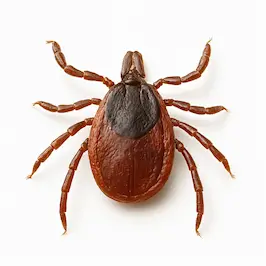
Ticks in Thailand: Identification, Risks & Control
Learn about Ticks in Thailand and how to control them effectively
About Ticks
Ticks are small arachnids that feed on the blood of mammals, birds, and sometimes reptiles and amphibians. In Thailand, ticks pose concerns for both humans and pets as they can transmit various diseases while feeding. Unlike insects, ticks have eight legs (as adults) and lack antennae. They're particularly common in rural and forested areas of Thailand, though they can also be found in urban parks and gardens where wildlife or pets may carry them.
Health Risk Alert
Tick Species in Thailand
Several tick species exist in Thailand, including the brown dog tick (Rhipicephalus sanguineus), which primarily infests dogs but will also bite humans; the tropical horse tick (Dermacentor nitens); and various Ixodes species. Each species may carry different pathogens and show preferences for particular hosts and environments. The brown dog tick is especially problematic as it can complete its entire life cycle indoors, potentially leading to severe infestations in kennels and homes with pets.
Tick Life Cycle and Behavior
Ticks go through four life stages: egg, larva (six-legged), nymph, and adult. Most species require a blood meal at each stage after hatching. Depending on the species, ticks may have a one-host life cycle (remaining on the same host through all stages) or a three-host cycle (finding a new host at each stage). When not feeding, ticks often reside in tall grass, leaf litter, or brush, where they wait for a host to pass by, a behavior known as 'questing.' Ticks can sense a potential host's breath, body odor, body heat, moisture, and vibrations.
Tick-Borne Diseases in Thailand
Ticks in Thailand can transmit several diseases, including spotted fever rickettsiosis, ehrlichiosis, anaplasmosis, and babesiosis. Symptoms of tick-borne illnesses typically include fever, headache, fatigue, and sometimes a rash, though specific symptoms vary by disease. Early diagnosis and treatment are important, as some tick-borne diseases can become serious if left untreated. The risk of disease transmission usually increases the longer a tick remains attached, making prompt removal essential.
Signs of Ticks Infestation
- •Ticks visible on the skin of humans or pets, often in hard-to-see areas
- •Small, red bumps or rashes at tick bite locations
- •Unexplained itching in pets with excessive scratching or biting at specific areas
- •Pets frequently shaking their heads (if ticks are in the ears)
- •Ticks crawling on walls, furniture, or floors in infested homes
- •Tick eggs or molted skins in pet bedding or cracks in flooring/walls
- •Anemia or lethargy in heavily infested pets
Ticks Prevention Tips
- •Keep lawns mowed short and remove leaf litter where ticks hide
- •Create barriers between wooded areas and yards using gravel or wood chips
- •Use tick preventatives on pets as recommended by veterinarians
- •Wear long sleeves, long pants, and closed shoes when in tick-prone areas
- •Apply insect repellents containing DEET or permethrin when outdoors
- •Conduct thorough tick checks after outdoor activities
- •Shower within two hours of coming indoors to wash off unattached ticks
- •Wash and dry outdoor clothes on high heat to kill any ticks
Ticks Control Methods
- •Professional yard treatments targeting tick habitats
- •Indoor treatments for homes with tick infestations
- •Specialized treatments for kennels and pet areas
- •Barrier treatments around property perimeters
- •Tick tubes or other wildlife-targeted control methods
- •Regular monitoring and follow-up treatments during peak tick seasons
- •Integrated management strategies addressing both ticks and their hosts
- •Professional removal services for established indoor infestations
Need Help with Ticks?
Our professional pest control technicians are experienced in dealing with Ticks infestations. Contact us today for a free inspection and quote.