
Spiders in Thailand: Identification, Risks & Control
Learn about Spiders in Thailand and how to control them effectively
About Spiders
Spiders are common arachnids found throughout Thailand, with most species being beneficial predators that help control insect populations. However, certain spider species can pose risks to humans due to their venomous bites. In Pattaya's tropical climate, spiders thrive year-round and can become unwelcome house guests when they establish webs in and around homes and businesses.
Health Risk Alert
Common Spider Species in Thailand
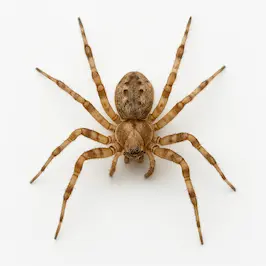
Thailand hosts a diverse range of spider species, from harmless house spiders to potentially dangerous ones. Common species include the Giant Wood Spider (Nephila maculata), which creates large golden orb webs; Huntsman spiders (Heteropoda species), which are large and fast but generally not dangerous; and Daddy Long-legs spiders (Pholcidae), which are beneficial and harmless. More concerning species include the Black Widow (Latrodectus species), Brown Recluse (Loxosceles species), and Thai Tarantulas (Haplopelma species), which should be handled with caution due to their potent venom.
Spider Behavior and Habitat
Spiders are primarily nocturnal hunters that use various strategies to capture prey. Web-building spiders construct intricate silk structures to trap insects, while hunting spiders actively pursue their prey. In homes, spiders are commonly found in dark, undisturbed areas like basements, attics, closets, and under furniture. Outdoors, they inhabit gardens, trees, and shrubs. While most spiders prefer to avoid human contact, they may enter buildings seeking shelter, especially during rainy seasons or when pursuing prey.
The Ecological Role of Spiders
Despite their sometimes fearsome reputation, spiders play a crucial ecological role as natural pest controllers. A single spider can consume hundreds of insects during its lifetime, including mosquitoes, flies, and other pests that can transmit diseases or damage crops. This makes them valuable allies in both agricultural settings and residential areas. Understanding this beneficial role can help homeowners make informed decisions about spider management, often allowing harmless species to remain in garden areas while focusing control efforts on spaces where human contact is more likely.
Signs of Spiders Infestation
- •Visible spider webs in corners, ceilings, or around windows and doors
- •Live spiders seen in homes, particularly at night
- •Egg sacs, which are silken spheres containing numerous spider eggs
- •Shed exoskeletons as spiders molt during growth
- •Small, grouped insect carcasses in areas where spiders feed
- •Unexplained spider bites, which may cause redness, swelling, or more severe symptoms depending on the species
Spiders Prevention Tips
- •Seal cracks and gaps in walls, windows, door frames, and foundations
- •Install screens on windows and doors to prevent entry
- •Remove clutter where spiders can hide, both indoors and around the exterior
- •Regularly clean and vacuum, especially corners, closets, and under furniture
- •Trim vegetation away from the building to reduce access points
- •Reduce exterior lighting that attracts insects (spider prey)
- •Use weather stripping around doors and windows
- •Control other insect populations to reduce spider food sources
Spiders Control Methods
- •Professional inspection to identify spider species and nesting areas
- •Targeted treatments for cracks, crevices, and other spider harborage areas
- •Web removal and regular cleaning to discourage re-establishment
- •Perimeter treatments to create a protective barrier around structures
- •Dust applications for voids and other hard-to-reach areas
- •Regular maintenance programs to prevent reinfestation
- •Specialized treatments for venomous species requiring extra precaution
- •Integrated pest management strategies using multiple control methods
Need Help with Spiders?
Our professional pest control technicians are experienced in dealing with Spiders infestations. Contact us today for a free inspection and quote.