
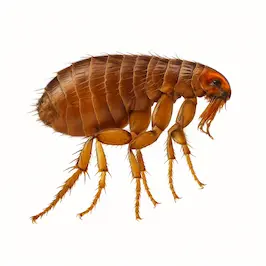
Fleas in Thailand: Identification, Risks & Control
Learn about Fleas in Thailand and how to control them effectively
About Fleas
Fleas are small, wingless parasites that feed on the blood of mammals and birds. In Thailand's warm, humid climate, fleas thrive year-round and can quickly infest homes, especially those with pets. While they primarily target animals, fleas will readily bite humans when their preferred hosts are unavailable or when populations are high. Flea infestations can be challenging to eliminate without professional help due to the pests' resilient life cycle and ability to remain dormant in the environment.
Get Rid of Fleas NowFlea Species in Thailand
Several flea species are found in Thailand, with the cat flea (Ctenocephalides felis) being the most common household pest despite its name, as it readily infests both cats and dogs. Other species include the dog flea (Ctenocephalides canis), human flea (Pulex irritans), and oriental rat flea (Xenopsylla cheopis). The latter is particularly concerning as a vector for diseases like murine typhus and bubonic plague, though these diseases are rare in modern Thailand.
Flea Life Cycle and Behavior
Fleas undergo complete metamorphosis with four life stages: egg, larva, pupa, and adult. Adult female fleas lay eggs on host animals, but these eggs fall off into the environment where they hatch into larvae. The larvae feed on organic debris and adult flea excrement before spinning cocoons and pupating. The pupal stage is particularly resistant to insecticides and can remain viable for months waiting for suitable conditions. Adult fleas emerge from pupae in response to vibration, heat, or carbon dioxide, indicating a potential host nearby.
Health Risks Associated with Fleas
Flea bites typically cause small, red, itchy welts often grouped in lines or clusters. Beyond the discomfort of bites, fleas pose several health risks. They can transmit tapeworms to both pets and humans, and some people and animals develop flea allergy dermatitis, a severe allergic reaction to flea saliva. Heavy infestations on pets can cause anemia, particularly in young or small animals. While less common in Thailand today, fleas have historically been vectors for serious diseases like plague, typhus, and bartonellosis.
Signs of Fleas Infestation
- •Pets scratching, biting, or licking themselves excessively
- •Red, itchy bites on humans, often around ankles and lower legs
- •Visible fleas jumping on pets, furniture, or carpets
- •Flea dirt (black, pepper-like particles) in pet bedding or on fur
- •Hair loss or irritated skin on pets, especially at the base of the tail
- •Adult fleas or larvae visible in carpets, upholstery, or pet areas
- •Tiny white flea eggs in pet resting areas or bedding
Fleas Prevention Tips
- •Regularly treat pets with veterinarian-recommended flea prevention products
- •Vacuum frequently, especially in pet resting areas, and dispose of vacuum bags promptly
- •Wash pet bedding weekly in hot water
- •Keep yard well-maintained by mowing grass short and removing organic debris
- •Limit wildlife access to your property, as they can introduce fleas
- •Create barriers between outdoor and indoor areas where possible
- •Regular grooming and inspection of pets
- •Professional preventative treatments in high-risk environments
Fleas Control Methods
- •Comprehensive treatment targeting all life stages of fleas
- •Professional-grade insecticides and growth regulators for indoor areas
- •Outdoor treatments for yards and pet activity areas
- •Steam cleaning of carpets and upholstery to kill fleas at all life stages
- •Recommended pet treatments in coordination with veterinarians
- •Follow-up treatments to address emerging adults from resilient pupae
- •Integrated pest management strategies customized for specific environments
- •Professional-grade foggers for severe infestations in appropriate settings
Need Help with Fleas?
Our professional pest control technicians are experienced in dealing with Fleas infestations. Contact us today for a free inspection and quote.