
Fire Ants in Thailand: Identification, Risks & Control
Learn about Fire Ants in Thailand and how to control them effectively
About Fire Ants
Fire ants are aggressive insects known for their painful stings and the distinctive mounds they build. In Thailand, they pose problems for homeowners, businesses, and agricultural areas. These ants are named for the burning sensation caused by their venom when they sting, which can cause painful welts and, in some cases, severe allergic reactions. Their colonies can contain thousands of workers, making professional control necessary for effective elimination.
Get Rid of Fire Ants NowFire Ant Species in Thailand
Several fire ant species are found in Thailand, including the Red Imported Fire Ant (Solenopsis invicta) and the Tropical Fire Ant (Solenopsis geminata). These invasive species have spread throughout Southeast Asia and cause problems in both urban and rural areas. Fire ants build distinctive mound nests that can reach 40cm in height and damage lawn equipment when struck. These ants are extremely territorial and will aggressively defend their colonies when disturbed.
Fire Ant Behavior and Colony Structure
Fire ant colonies have a complex social structure with queens, workers, and reproductive males. A mature colony can contain 100,000 to 500,000 workers and multiple queens, making them difficult to eliminate completely. These ants are omnivorous, feeding on both plant and animal matter, including insects, seeds, and sweet substances. Fire ants can also move their entire colony during flooding, forming living rafts that float on water until they reach dry ground, a survival adaptation that makes them particularly resilient in Thailand's monsoon season.
Impact of Fire Ants
Beyond their painful stings to humans and pets, fire ants have significant ecological and economic impacts. They displace native ant species and can reduce biodiversity in affected areas. In agricultural settings, they damage crops and farm equipment. Fire ants are also known to damage electrical equipment by building nests in switch boxes and electrical housing, potentially causing short circuits and outages. Their aggressive nature makes them a particular concern in recreational areas, schools, and healthcare facilities.
Signs of Fire Ants Infestation
- •Distinctive dome-shaped mounds in lawns, gardens, or along foundations
- •Painful, burning stings that develop into white pustules within 24 hours
- •Swarms of aggressive ants when mounds are disturbed
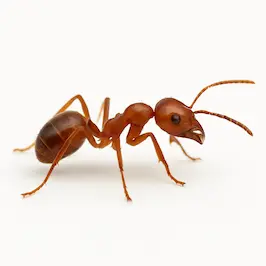
- •Ants ranging from reddish-brown to reddish-black in color, 2-6mm in length
- •Multiple mounds across property, particularly after rain
- •Ants entering buildings through tiny cracks seeking food or water
Fire Ants Prevention Tips
- •Maintain yard by keeping grass short and reducing debris
- •Seal cracks and crevices in building foundations
- •Remove food sources by cleaning spills and storing food properly
- •Reduce moisture around buildings by fixing leaks and improving drainage
- •Create barriers using granular ant repellents around property perimeters
- •Be cautious when bringing plants, soil, or outdoor furniture onto your property
- •Regularly inspect property for new mounds, especially after rain
Fire Ants Control Methods
- •Professional broadcast bait treatments for large area control
- •Individual mound treatments for targeted elimination
- •Combination approaches using both contact insecticides and baits
- •Specialized treatments for sensitive areas like gardens and playground
- •Barrier treatments around structures to prevent entry
- •Regular monitoring and follow-up treatments to prevent re-establishment
- •Colony elimination strategies targeting queens and reproductive ants
Need Help with Fire Ants?
Our professional pest control technicians are experienced in dealing with Fire Ants infestations. Contact us today for a free inspection and quote.