
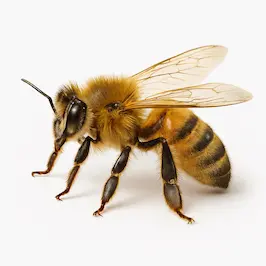
Bees in Thailand: Identification, Risks & Control
Learn about Bees in Thailand and how to control them effectively
About Bees
Bees are important pollinators that play a crucial role in Thailand's ecosystem and agriculture. While their ecological value is immense, bee colonies that establish themselves near human dwellings can pose risks due to potential stinging incidents. In Thailand, various bee species exist, from the common honey bee to more aggressive species like the Giant honey bee (Apis dorsata), which requires professional management when nests are located near residential or commercial properties.
Get Rid of Bees NowBee Species in Thailand
Thailand is home to several bee species, including the Eastern honey bee (Apis cerana), Giant honey bee (Apis dorsata), and stingless bees (Trigona species). While honey bees are generally non-aggressive when unprovoked, Apis dorsata can be particularly defensive of their nests, which they often build in the open on tree branches or building overhangs. Stingless bees are harmless to humans but may nest in wall cavities or other structural voids, causing concern for property owners.
Bee Behavior and Colony Structure
Bee colonies consist of a queen, worker bees (females), and drones (males). The queen's primary role is reproduction, laying up to 2,000 eggs per day. Worker bees forage for nectar and pollen, care for young, produce honey, and defend the hive. Bees communicate through a complex 'waggle dance' to indicate food sources. Unlike wasps, honey bees die after stinging because their barbed stinger remains in the victim's skin, tearing away from the bee's body.
The Ecological Importance of Bees
Bees pollinate approximately 80% of flowering plants, including many fruits, vegetables, and nuts that are essential to human diets. In Thailand, they contribute significantly to the production of tropical fruits like mangoes, rambutans, and durians. The decline in global bee populations due to habitat loss, pesticides, and climate change poses serious threats to food security and biodiversity. For this reason, professional bee removal often focuses on relocation rather than extermination when possible.
Signs of Bees Infestation
- •Visible bee nests or hives in trees, building overhangs, or wall cavities
- •Unusual bee activity with large numbers of bees entering and exiting a specific location
- •Buzzing sounds from within walls, chimneys, or other enclosed spaces
- •Honey stains or dark spots on walls or ceilings (indicating an established colony)
- •Bees consistently gathering around a particular area of your property
- •Sweet smell coming from walls or ceilings where bees may have established a hive
Bees Prevention Tips
- •Seal cracks and openings in building exteriors to prevent bee entry
- •Repair damaged exterior surfaces and fill cavity walls where possible
- •Install screens on vents and other necessary openings
- •Regularly inspect property for signs of new bee activity
- •Remove attractive flowering plants from immediate vicinity of buildings if bee allergies are a concern
- •Keep outdoor eating areas clean and food covered
- •Consult with professionals before removing an established bee colony
Bees Control Methods
- •Professional bee removal and relocation by trained specialists
- •Extraction of honeycombs from wall voids and structural elements
- •Repair of damaged areas after bee removal
- •Preventive treatments to discourage new colonies from establishing
- •Installation of bee-proof barriers in vulnerable areas
- •Humane removal options that preserve beneficial bee populations
- •Emergency services for aggressive bee colonies or those threatening public areas
Need Help with Bees?
Our professional pest control technicians are experienced in dealing with Bees infestations. Contact us today for a free inspection and quote.