
Termite Information Center
Everything you need to know about termites in Thailand and how to protect your property
Understanding Termites in Thailand
Thailand's tropical climate creates an ideal environment for termites. Learn about the different species, their behavior, and how to protect your property from these destructive pests.
Termite Species
Thailand is home to various termite species, including subterranean, drywood, and dampwood termites. Each requires different treatment approaches.
- •Coptotermes: Most destructive subterranean species
- •Cryptotermes: Common drywood termites
- •Odontotermes: Builds visible mud mounds
Warning Signs
Recognizing the early signs of termite activity can help prevent extensive damage to your property.
- •Mud tubes on walls and foundations
- •Hollow-sounding wooden surfaces
- •Discarded wings near doors and windows
- •Visible damage to wooden structures
- •Termite frass (droppings) near infested areas
Prevention Tips
Taking proactive measures can significantly reduce the risk of termite infestation in your property.
- •Reduce soil-to-wood contact around your property
- •Fix leaky pipes and drainage issues promptly
- •Store firewood away from your home's foundation
- •Schedule regular professional inspections
- •Consider pre-construction termite protection
Termite Photo Gallery
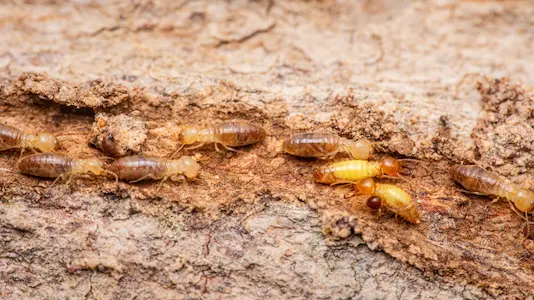
Subterranean Termites
The most destructive termite species in Thailand, requiring specialized soil treatments.
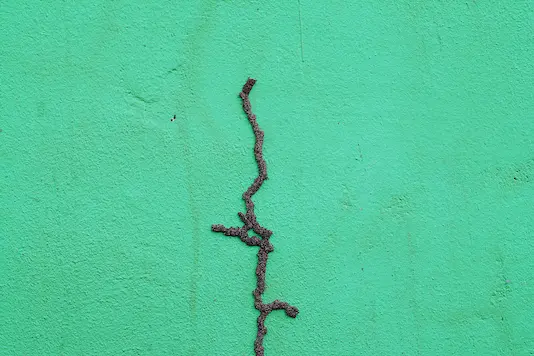
Termite Mud Tubes
Mud tubes are a common sign of termite activity and infestation in buildings.
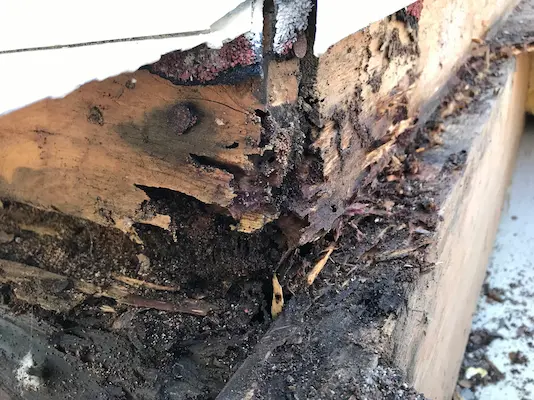
Termite Damage
Wood damaged by termites often appears hollow and can compromise structural integrity.
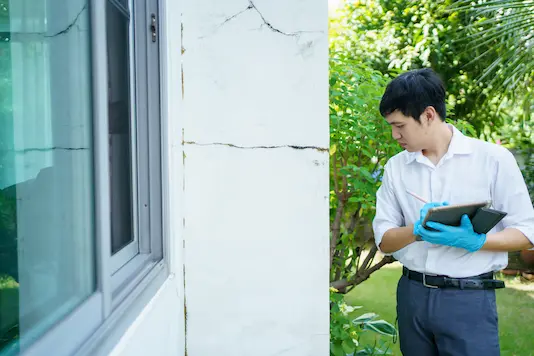
Professional Inspection
Regular termite inspections are essential for early detection and prevention.
Frequently Asked Questions About Termites
Get answers to common questions about termites in Thailand
Termite Resources
Our Termite Services
Related Information
- • Termite Control Guide
- → Termite Species in Thailand
- → DIY Termite Prevention Tips
- → Understanding Termite Damage
Protect Your Property from Termites
Contact our termite experts today for a thorough inspection and customized treatment recommendations.